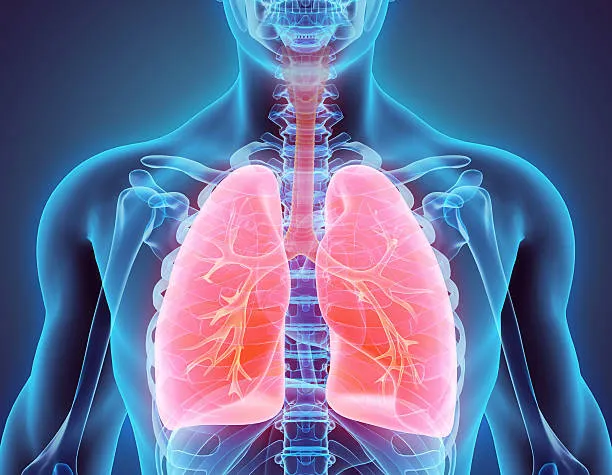
























Human lungs are remarkable organs responsible for the crucial task of breathing, which provides oxygen to the body's cells and removes carbon dioxide, a waste product of metabolism. Each person has two lungs, situated in the chest cavity on either side of the heart. The lungs are spongy in texture and pinkish in color, resembling two large air-filled balloons.
The lungs are divided into sections called lobes – three on the right lung and two on the left. Inside the lungs are a vast network of airways, including the trachea (windpipe), bronchi, and bronchioles, which branch out like tree limbs and end in small air sacs called alveoli. It is within these alveoli that the exchange of gases occurs: oxygen from the air enters the bloodstream, while carbon dioxide from the bloodstream exits the body when we exhale.
The process of breathing, also known as respiration, is controlled by the respiratory system, which includes the lungs, airways, and muscles involved in breathing. When we inhale, the diaphragm – a dome-shaped muscle beneath the lungs – contracts and moves downward, creating space for the lungs to expand. This allows air to rush into the lungs. When we exhale, the diaphragm relaxes, and the lungs recoil, pushing air out of the body.
Human lungs are essential for survival, as they enable the body to receive the oxygen it needs to function properly. Maintaining lung health is crucial for overall well-being, and practices such as regular exercise, avoiding smoking and pollution, and maintaining a healthy diet can help support lung function.